Mia-Pets Blog
Benefits of custom pet food vs standard kibble
Compare custom pet food with standard kibble using a practical checklist for nutritional suitability, daily cost, storage and useful manufacturer information.
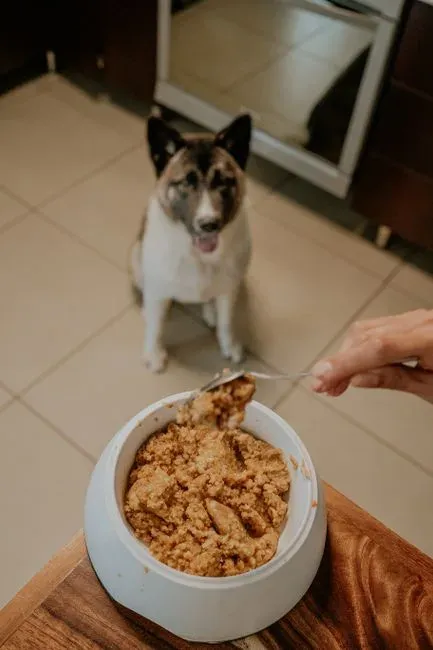
Separate the food from the service
Write down what is customised: the recipe, portion size, delivery schedule or simply the name on the pack. These are different benefits. Pre-portioned packs may make measuring simpler, while a conventional bag may be easier to store or buy locally. Neither feature establishes nutritional quality.
Ask questions that change the decision
WSAVA provides a manufacturer-question checklist. An ingredient list on its own cannot establish the quality or suitability of the finished food.
- Is this a complete food for the species and life stage, or a complementary product?
- Who formulates the recipe, what nutritional expertise do they have, and what quality checks does the manufacturer describe?
- Are calories and feeding quantities available before purchase?
- Can the supplier provide a batch number, clear storage instructions and a contact for product questions?
Compare a realistic monthly cost
Use your pet’s agreed daily amount, rather than comparing pack prices. For a dry food costing £24 for 3 kg, a 150 g portion costs £1.20 per day: £24 ÷ 3,000 × 150. That is £36 over 30 days before delivery. This is an arithmetic example, not a recommended portion.
For a subscription, include delivery, minimum orders and what happens when a delivery is delayed. For chilled products, check whether you have the required storage space and can use opened packs within the manufacturer’s instructions.
Keep a simple comparison record
- Record the current food, amount, total daily cost and any concerns.
- Save the new product’s full label and instructions before ordering.
- Discuss health conditions or a therapeutic diet with your vet before changing foods.