Mia-Pets Blog
Life-Stage Pet Nutrition: Puppies, Adults, and Senior Dogs and Cats
Organise food decisions for puppies, kittens, adults and older pets. Check life-stage labels and prepare useful questions for a veterinary nutrition review.
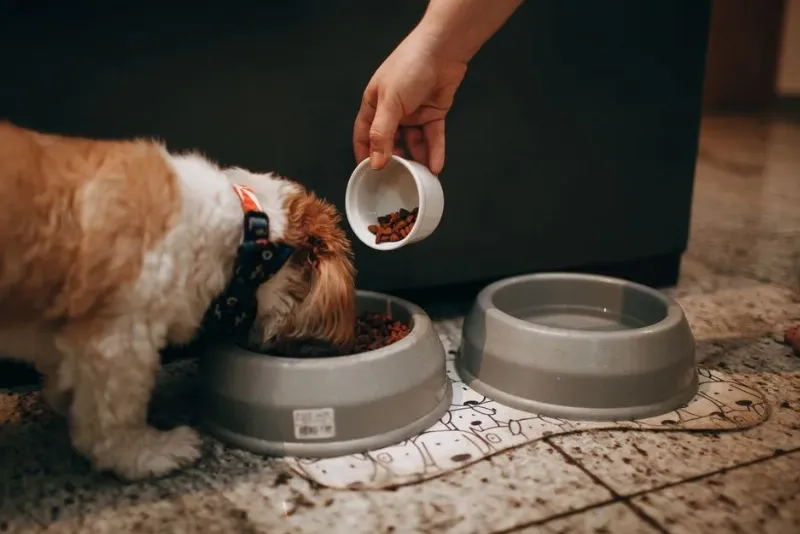
Puppies and kittens: read the exact growth statement
Check that the food is intended for the correct species and growth stage. For a puppy expected to become a large adult dog, ask the vet to check the product’s suitability. Do not assume a picture of a young animal on the packaging answers this question.
- Bring the full product label and any supplements to the appointment.
- Record the amount offered, treats and recent weights.
- Ask when to review the amount and when to consider an adult food.
Adults: review the individual, not just the bag
Keep a record of the daily quantity and changes in weight, activity or appetite. WSAVA’s nutrition resources include body-condition assessment and diet-history tools that help make a veterinary review more specific.
A scoop is a container, not a standard weight. Record quantities in grams when the product’s instructions use grams, and include treats when describing the overall diet.
Older animals: prepare a health-led review
A “senior” label alone does not resolve a change in weight, thirst, appetite or digestion. Note when a change started and take the current food details to the vet. A known disease or prescribed diet needs individual advice rather than an age-based online recommendation.
A reusable food record
- Species, age, current weight and date measured.
- Exact food name, daily amount and treats or supplements.
- Recent changes in routine, activity or symptoms.
- Questions: Is this food appropriate? Does the quantity need review? When should we reassess?